The quick version
- Summer brings long days and mild air. Winter sailings to Geirangerfjord run too, with shorter daylight and colder decks.
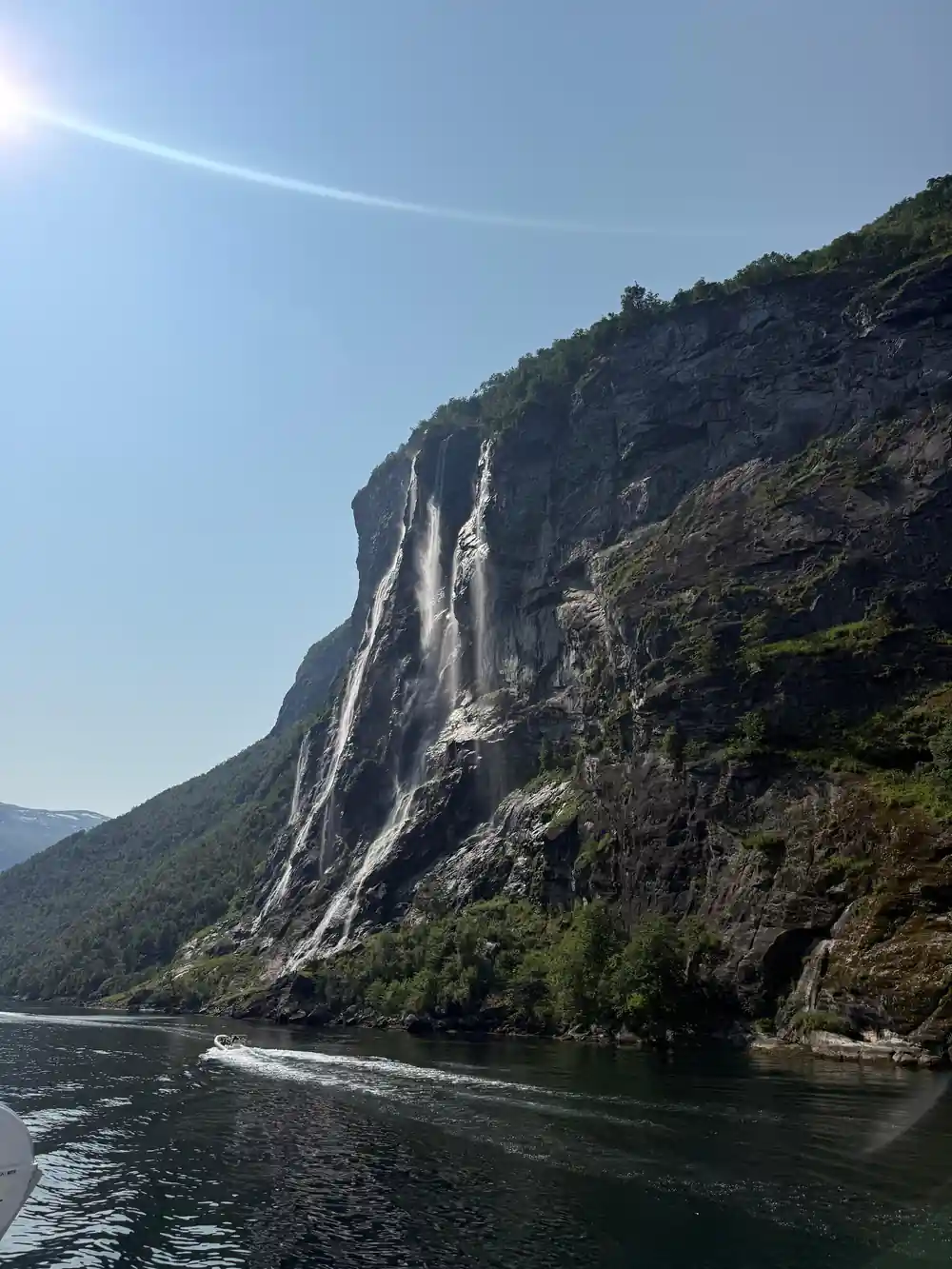
- Snowmelt feeds the big falls: the Seven Sisters is 410 meters tall in total and its highest stream has a free fall of 250 meters.[1]
- Ålesund averages 2.8 °C in February, its coldest month, and 14.8 °C in August, its warmest.[2]
- The round trip to Geirangerfjord takes 8.5 to 9.5 hours, and the cruise dock is a 2 minute walk from the city.[3][4]
- Free cancellation up to 24 hours in advance for a full refund, and you can reserve now and pay later.[3]
- Top choice Geirangerfjord round trip from US$202 Duration8.5 - 9.5 hours[3]Rating4.75 from 758 reviews[3]GuideAudio guide included[3]CancellationUp to 24 hours in advance[3] Check availability
- Winter fjord cruise from US$325 Duration9 hours[5]Rating4.76 from 105 reviews[5]GuideLive guide and audio guide[5]CancellationUp to 24 hours in advance[5] See this tour
- Boat and return bus from US$210 Duration10.5 hours[6]Rating4.60 from 140 reviews[6]GuideHost or greeter in English[6]CancellationUp to 24 hours in advance[6] See this tour
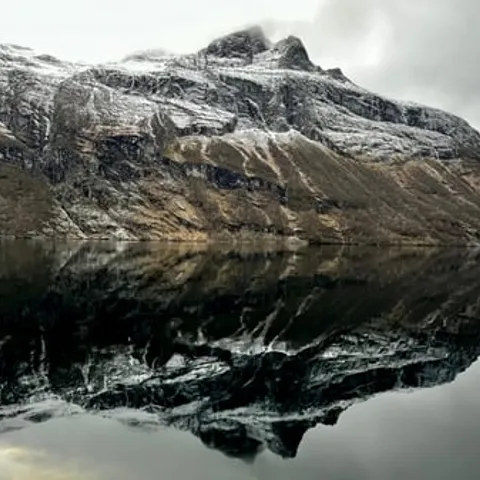
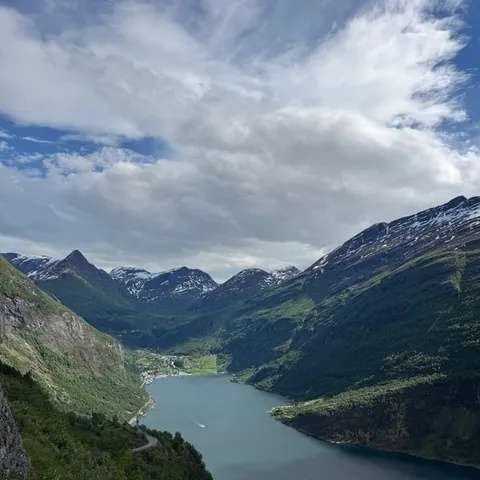
In general, the state of conservation has not deteriorated since the time of inscription on the World Heritage List in 2005.
Best time to sail: our verdict
Plan your day ashore
How Ålesund Weather Shapes a Fjord Day
Ålesund sits on a knot of islands on the coast, open to the Atlantic and, on a clear day, bright with reflected light. Cruise ships dock right in town, a 2 minute walk from the city.[4] The climate is mild for this latitude: the average temperature is 2.8 °C in February, the coldest month, and 14.8 °C in August, the warmest.[2] Those averages hide the daily swing. A morning can start grey and damp, turn blue by lunchtime, and drop a shower on you while the sun is still out. Pack for all of it, and treat a wet forecast as a normal coastal day rather than a ruined one.
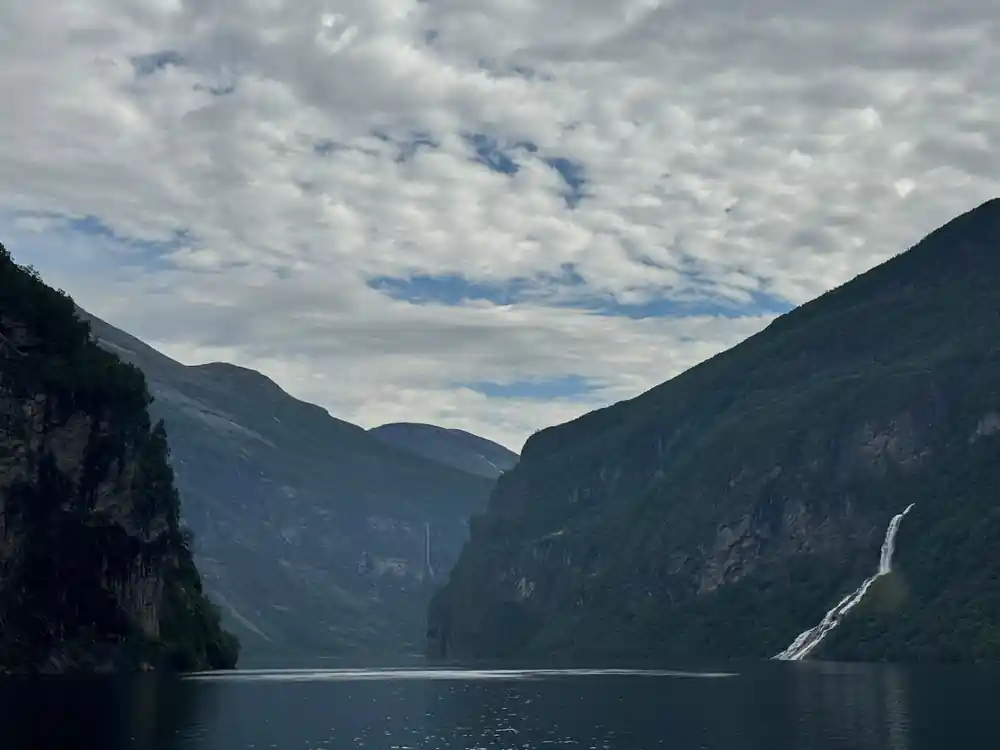
Geiranger weather is a slightly different story. The fjord reaches far inland, and the water sits between steep walls that hold mist and shade. Cloud can hang low over Geiranger while the coast is clear, and the reverse happens too. What matters most on a sailing day is wind and visibility rather than a tidy temperature number, and neither can be promised weeks ahead. Look at the forecast in the last day or two before you sail, and plan your layers around what you find.
Spring: Snowmelt and Thundering Waterfalls
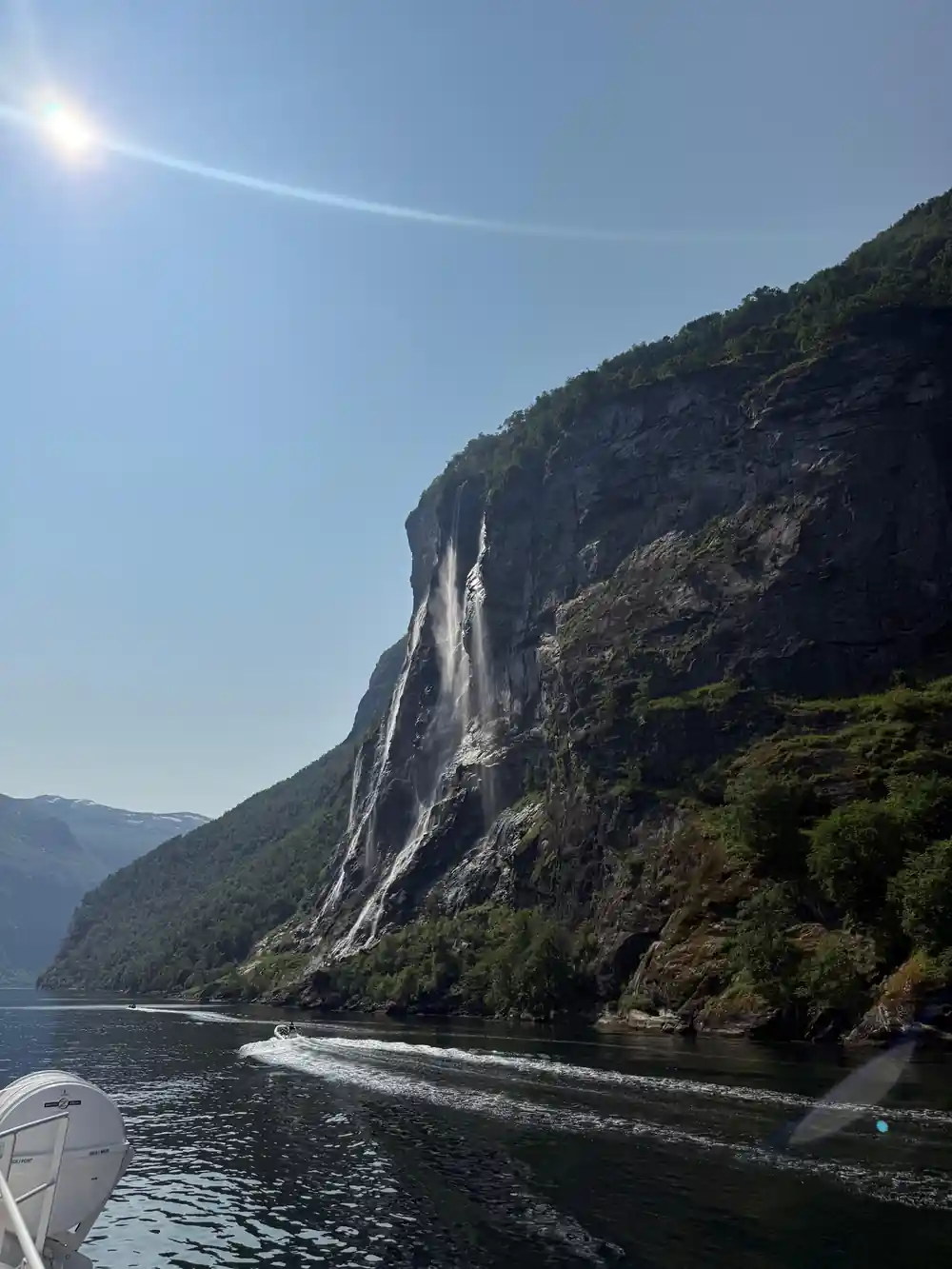
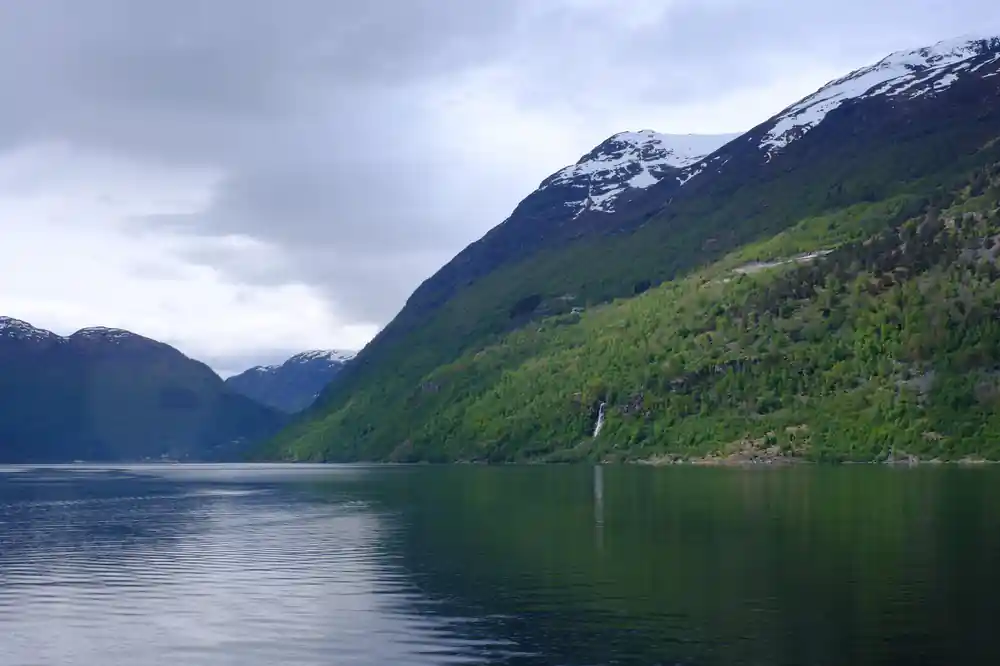
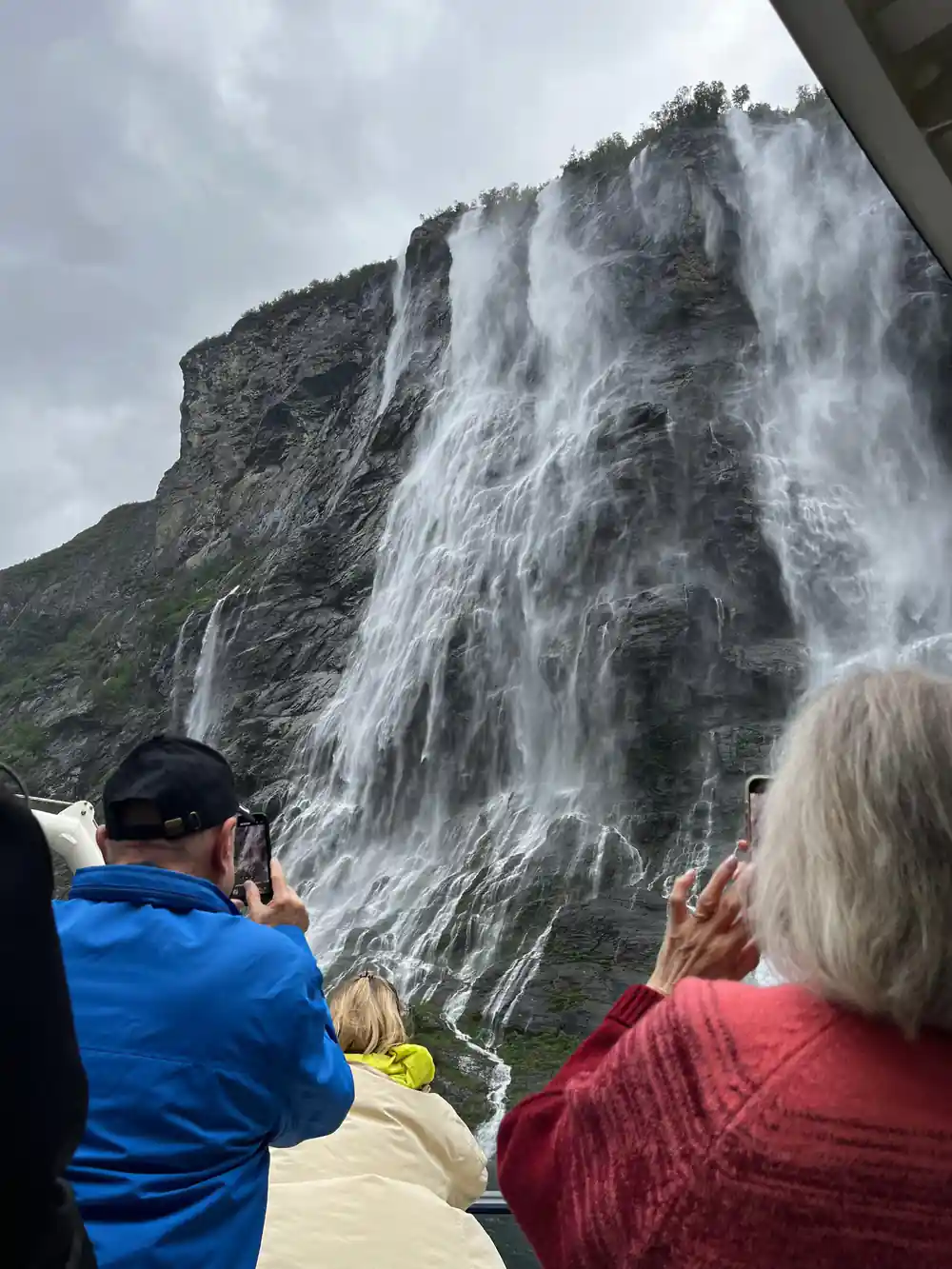
Spring is when the mountains let go of winter. Meltwater feeds every stream on the fjord walls, and the biggest falls run hard. The Seven Sisters, in Geirangerfjord, is 410 meters tall in total, and the highest of its seven streams has a free fall of 250 meters.[1] On a spring sailing you often see snow still lying on the upper slopes while the lower farmland is green, and the air smells of wet rock and cold water. Days lengthen quickly, so an afternoon sailing still finishes in good light.
On land, the Norwegian Scenic Route Geiranger-Trollstigen is always closed in winter and normally open from mid-May to October/November, depending on when winter returns.[8] That matters if you want to combine a boat with a bus or a drive over the mountains. Early spring can still bring snow showers and cold wind on deck, so a hat, gloves and a windproof shell are worth carrying. Departure times change through the season, so check the options for your date when you book.
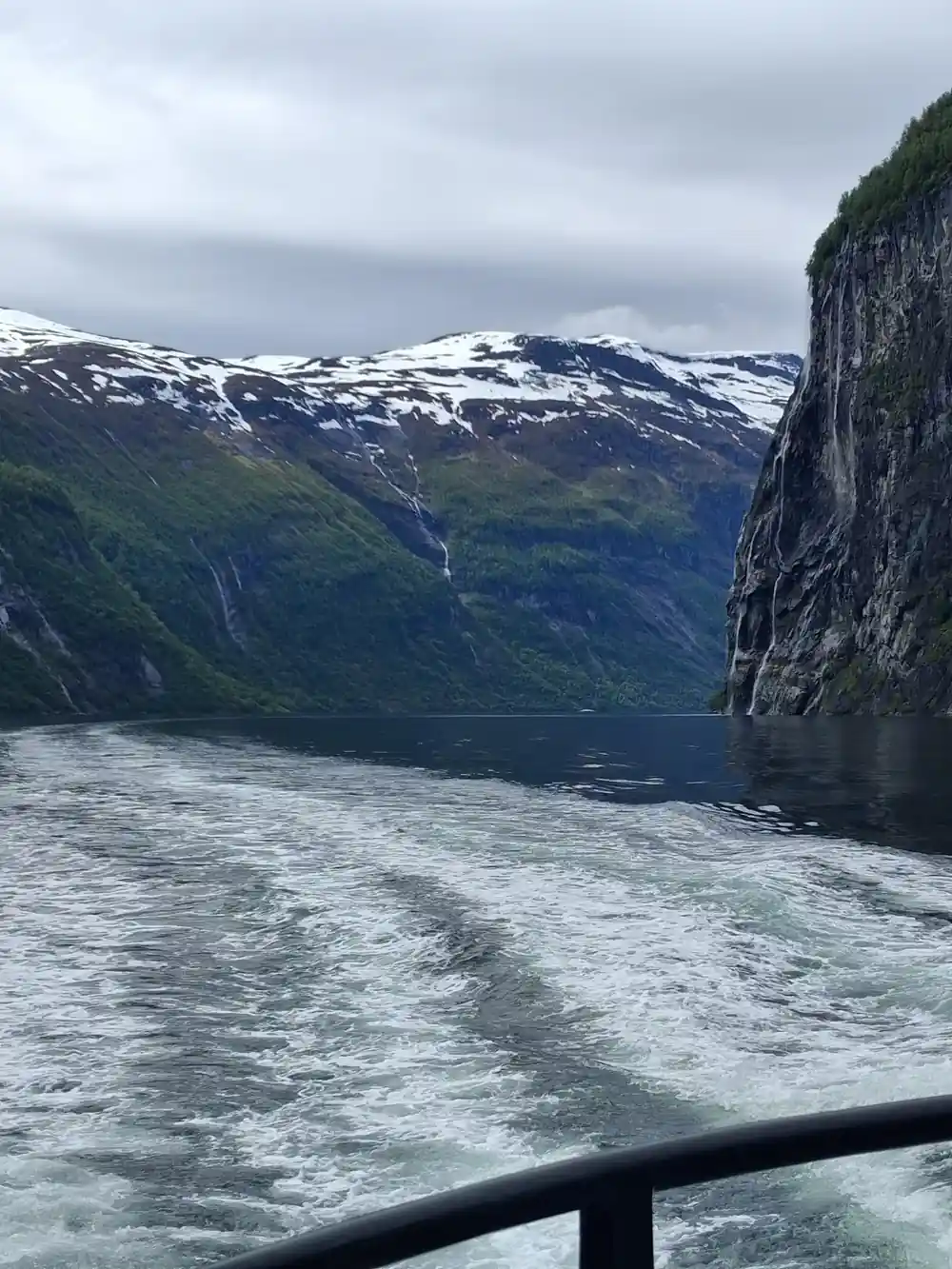
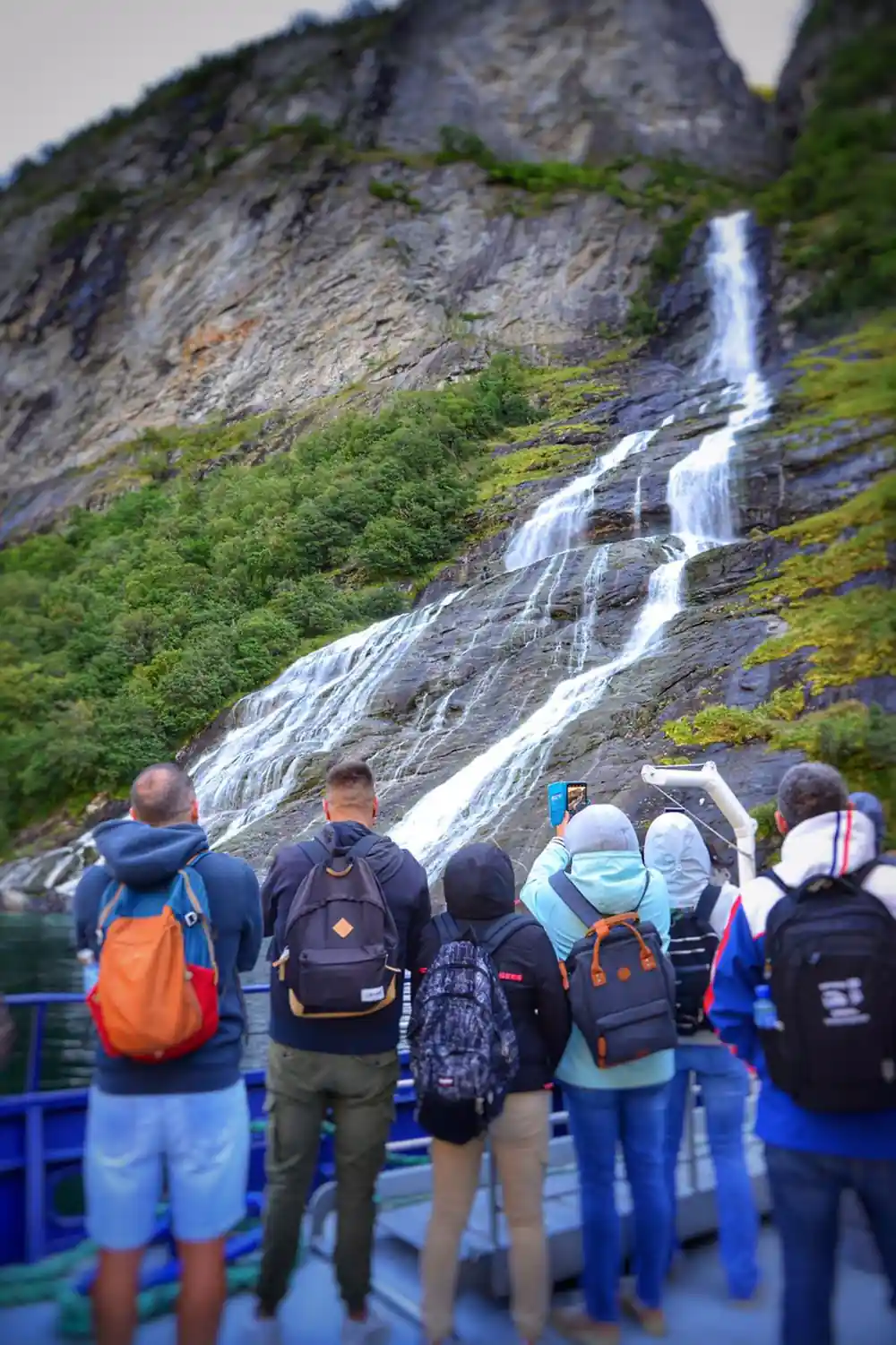
A quiet deck, steep walls and a waterfall that never quite stops moving.
Summer: Long Days and Mild Air
Summer is the easy season. August is the warmest month, with an average of 14.8 °C, and the evenings stay light long after dinner.[2] The coast can still deliver a cool, damp morning, but you will spend most of a summer sailing on deck without needing gloves. Port days can stack up in high summer: in 2024, Ålesund had 290 cruise ship arrivals.[9] If you are travelling independently, it is worth booking the sailing you want rather than hoping to walk up on the day.
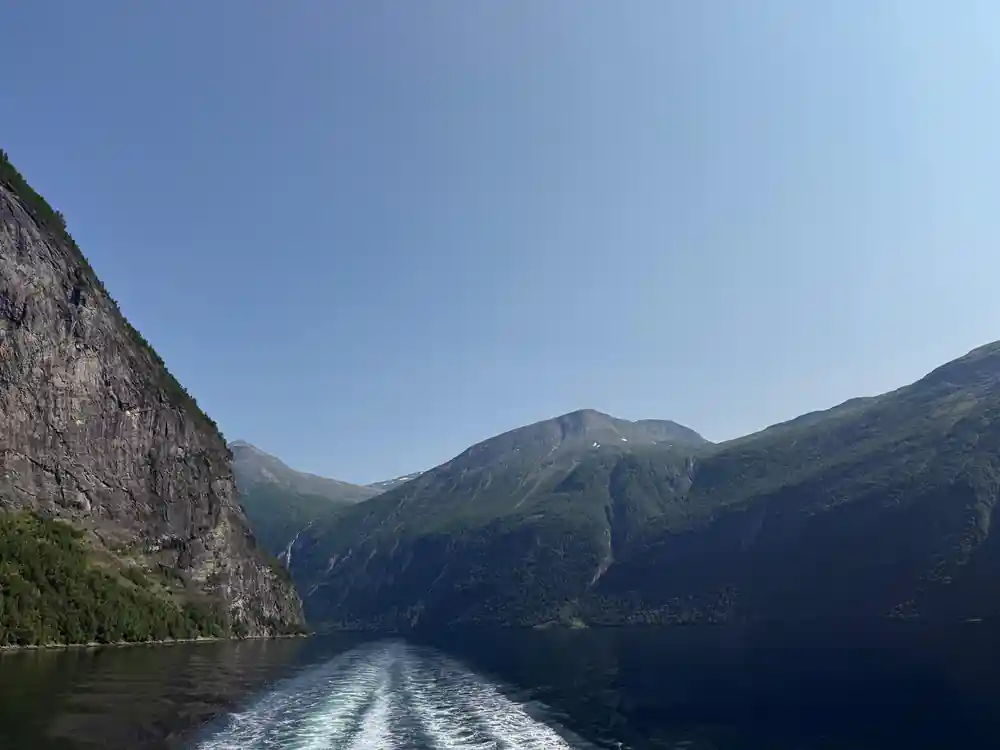
The round trip from Ålesund to Geirangerfjord and back takes 8.5 to 9.5 hours, so it fills a whole port day.[3] It runs on a hybrid electric boat. There is an audio guide on board and the boat is wheelchair accessible, and the route passes Storfjorden, Sunnylvsfjorden, Geirangerfjord and the Seven Sisters waterfall on the way out.[3] Take a layer for the deck even in high summer; the wind between the walls is cool.
Autumn: Quieter Boats and Changing Light
Autumn arrives quickly in this part of Norway. The light drops low and warm, the birch turns, and mist starts sitting in the fjord in the early morning. Waterfalls are thinner than in spring, but the scenery gains depth, with cloud shadows moving across the walls. It is also the start of aurora season: you can see the northern lights in Ålesund during moderate to strong geomagnetic activity, with the best viewing season running from late September through late March.[10]
The Norwegian Scenic Route Geiranger-Trollstigen normally stays open from mid-May to October/November, depending on when winter returns, so early autumn still allows a road and boat combination.[8] Later in the season, expect cold, gusty conditions on deck and pack accordingly. Check the departure dates that suit your trip before you build a day around one. Autumn light also photographs well, with long shadows on the water in the middle of the afternoon.
from US$202
The Ålesund to Geirangerfjord round trip runs on a hybrid electric boat, takes 8.5 to 9.5 hours and is rated 4.75 from 758 reviews.[3]
Winter: Dark Fjords and the Aurora Season
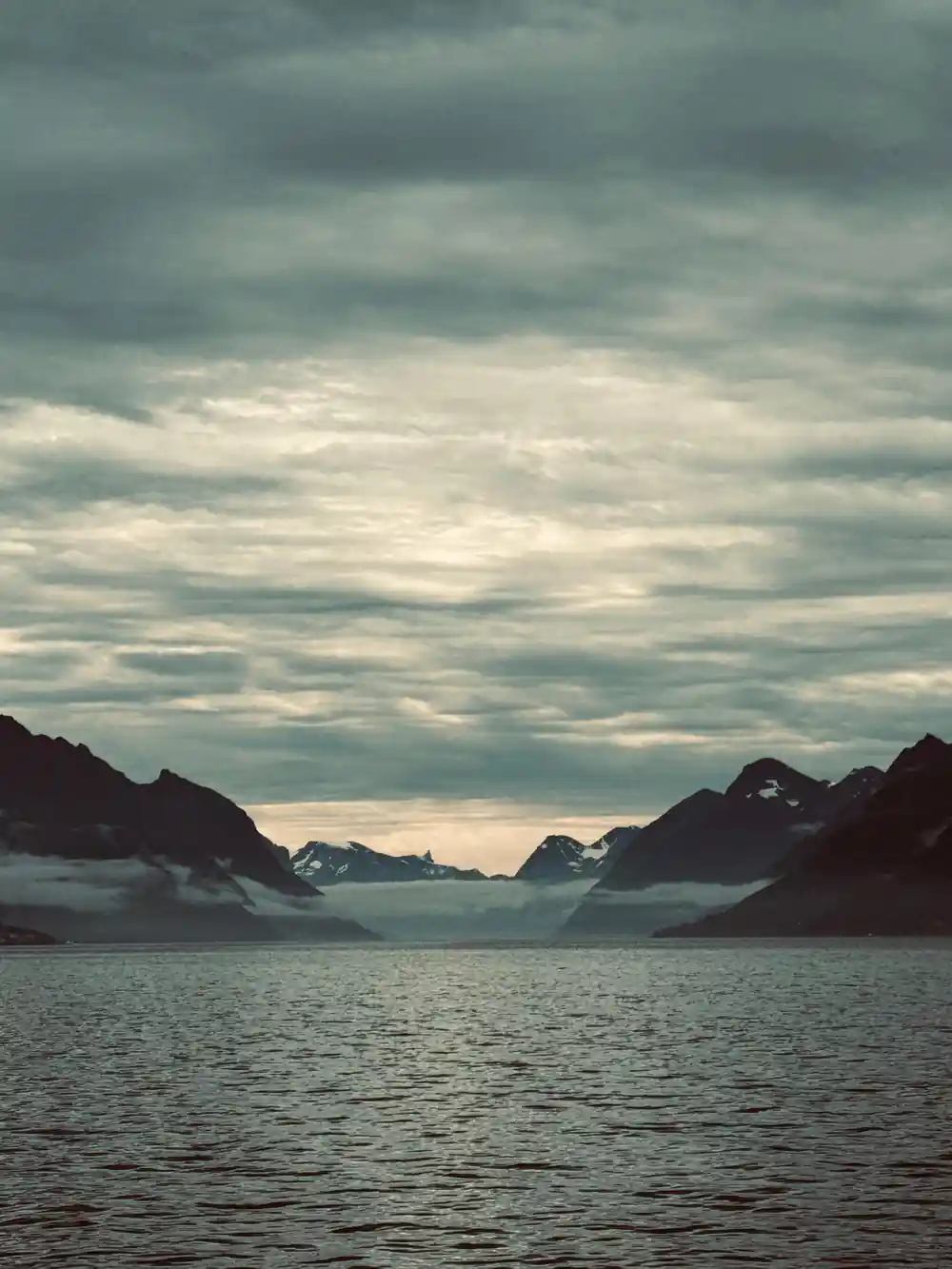
Winter in Ålesund is cool rather than polar: February averages 2.8 °C.[2] Daylight is short, the sea is grey, and snow can whiten the lower slopes between squalls. The fjord sailings that run in winter have a different character, with low cloud, still water and the chance of aurora after dark. The winter fjord cruise to Geirangerfjord takes 9 hours and starts from US$325.[5] It carries a live guide and an audio guide.
Snow closes the mountain roads, and the Norwegian Scenic Route Geiranger-Trollstigen is always closed in winter.[8] That leaves the water as the practical way to see the fjord, and it means the villages along the way are quiet. Dress for cold wind and spray, bring a hat that stays on, and keep your phone warm so the battery lasts. The distance from Ålesund to Geiranger is 67 miles (108 km).[11]
Rain, Fog and Cancellations: What to Expect
Rain is part of the deal on this coast, and it rarely arrives alone: showers, sun and cloud can all appear in one afternoon. Fog is the bigger nuisance for photographs, since it hides the tops of the walls and the waterfalls that drop from them. Even then, the fjord is worth seeing; at close range you notice the scale of the rock and the colour of the water. A waterproof layer and a dry bag for your camera make a damp day comfortable.
The round trip listing offers free cancellation up to 24 hours in advance for a full refund.[3] It also lets you reserve now and pay later.[3] Keep an eye on the forecast in the days before you sail and, if the weather turns, ask about moving your date rather than losing the day entirely.
Matching the Season to Your Priorities
If you want the best time of year to visit Ålesund for long, bright days, aim for summer, when the air is mildest and the light lasts into the evening. If waterfalls are the point of the trip, the spring melt is when they run hardest. If you would rather have the fjord to yourself and do not mind cold hands, spring and autumn are the quieter choices. And if aurora is on your list, plan a winter or early spring night and hope for a clear sky.
The practical details stay the same whatever you choose. The round trip from Ålesund to Geirangerfjord takes 8.5 to 9.5 hours and costs from US$202.[3] The two places are 67 miles (108 km) apart, and the fjord you sail through has been on the World Heritage List since 2005.[11][12] Build your day around the sailing, leave slack for the walk back to the ship, and you will see the best of it whatever the sky does.
How long fjord sailings last
Fjord sailing from-prices
From-prices in US dollars from the GetYourGuide listings[3],[5],[6] and[14].
When to book your sailing
Plan your sailing day
Pick your season
Match the month to what you want: waterfalls in spring, long light in summer, quiet water and aurora in autumn and winter.
Book the round trip
Choose a sailing that fits your port hours. The Geirangerfjord round trip takes 8.5 to 9.5 hours.[3]
Check the forecast
Look again in the last day or two. Coastal weather shifts quickly, and wind matters more than a rain icon on the forecast.
Dress in layers
Waterproof shell, warm mid layer, hat and gloves. The deck is colder than the town, even in midsummer.
Arrive early
The cruise dock sits in town, a 2 minute walk from the city, so you can reach the boat quickly.[4]
Sail Geirangerfjord on a quiet hybrid electric boat
from US$202Reserve now & pay later